
If you live near the Delaware coast, you already know that storm preparation is not something to leave until the weather alert appears on your phone. Coastal storms have a way of making small property issues suddenly matter. A loose gate, a clogged gutter, a branch that has been hanging over the roof for months; none of these may seem urgent on an ordinary Tuesday. Add strong wind and several inches of rain, though, and the situation can look very different. The smartest time to deal with those details is while the weather is still calm and you have time to do it properly.
Start With a Walk Around the Property
Before a storm, walk the entire property instead of only checking the areas you normally use. Look at the patio, yard, driveway, fencing, entryways, and anything attached to the exterior of the home. Patio chairs, umbrellas, planters, children’s toys, garden tools, decorations, and even smaller objects can be pushed around by strong winds. Secure what can be secured and bring inside what can be brought inside. While you are out there, pay attention to anything that looks loose or worn. A gate that barely latches or a section of fencing that has started to lean is worth addressing before bad weather puts additional pressure on it.
Give Gutters and Drainage Some Attention
Heavy rain exposes drainage problems quickly. When gutters are packed with leaves and debris, water cannot move through them the way it should, and overflowing water can end up exactly where you do not want it. Downspouts should also direct water away from the home rather than allowing it to collect along the foundation. Regular home maintenance in Sussex County includes paying attention to these less glamorous jobs because they tend to become important at the worst possible time. You do not need to wait for a major storm to discover that the gutter above the back door has been overflowing for months.
Check the Parts of the Home That Face the Weather
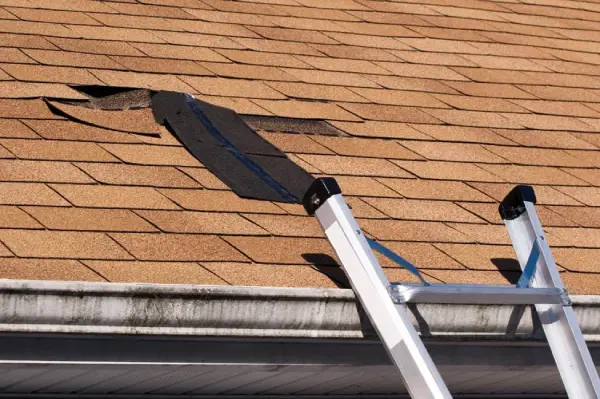
Windows and exterior doors deserve a closer look before severe weather arrives. Make sure doors close securely, check for obvious damage around window frames, and look over visible seals, trim, and other exterior areas. If you use storm shutters or similar protective coverings, make sure they are accessible rather than buried behind boxes in the garage. It is also worth looking at the roof from ground level. Missing shingles, damaged flashing, or branches touching the roof should not be ignored. There is no reason to put yourself on a roof in questionable weather just to inspect it. If something looks wrong, have the appropriate professional assess it safely.
Use a Simple Storm Checklist
A checklist sounds almost too basic, but when a storm is approaching, basic is useful. We recommend taking a few minutes to check the following:
- Bring outdoor furniture, decorations, toys, and loose tools indoors.
- Secure gates, fencing, and other movable exterior items.
- Clear visible debris from gutters and drainage areas.
- Check that exterior doors and accessible windows are secure.
- Look for obvious branches that could threaten the home or property.
- Move important belongings away from areas where water could potentially enter.
- Keep emergency supplies and important contact information somewhere easy to reach.
None of these jobs is particularly complicated. The point is to handle them while you have daylight, decent weather, and time to think instead of trying to improvise once the wind is already picking up.
An Empty Home Needs a Different Kind of Preparation
Storm preparation becomes more complicated when the homeowner is not actually there. A seasonal property or an empty home can develop a problem without anyone noticing. Maybe a window is damaged. Maybe a tree limb comes down across part of the yard. Maybe water gets inside and sits there for several days. The issue is not necessarily that something happened, but that nobody was around to see it happen. A house watch service in Sussex County gives homeowners a practical way to have the property checked when they cannot get there themselves. Regular visits can bring attention to visible problems sooner, which is especially valuable after rough weather.
Do Not Forget the Property After the Storm
Once the storm has passed and conditions are safe, the property should be checked again. Walk around carefully and look for fallen branches, damaged fencing, broken windows, standing water, loose exterior materials, or anything else that was not there before. Take photographs of visible damage before starting cleanup if you may need them for an insurance claim. If you are away from the property, arranging for someone to check it can save you from waiting days to find out whether the home came through the storm without problems. A house watch service in Sussex County can be particularly useful in that situation because you have someone keeping an eye on the property when you cannot.
Conclusion
Good storm preparation in Delaware does not have to mean spending an entire weekend getting ready every time a storm appears in the forecast. It is more about staying reasonably on top of the property throughout the year. When gutters are maintained, exterior areas are checked, loose items are dealt with, and you have a plan for an unoccupied home, storm preparation becomes much more manageable. We know that homeowners cannot always be available to check a property themselves, particularly when travel or other commitments keep them away. If you need reliable eyes on your home before or after severe weather, contact us at A Man Who Can today to learn more about how we can help look after your property when you cannot be there.
FAQs
1. When should storm preparation begin for a Delaware home?
Storm preparation should begin before severe weather arrives, allowing enough time to secure outdoor items, inspect the property, and address potential concerns.
2. What should homeowners check outside before a storm?
Gutters, downspouts, fencing, gates, windows, doors, outdoor furniture, loose items, and nearby branches should all be checked before severe weather.
3. Why is storm preparation important for vacant homes?
An unoccupied home can develop problems without anyone noticing, making regular property checks especially helpful during and after severe weather.
4. What should be checked after a storm passes?
Look for fallen branches, damaged fencing, broken windows, standing water, loose exterior materials, and other visible signs of property damage.
5. Can a house watch service help during storm season?
A house watch service can provide regular property checks, helping identify visible damage or concerns when homeowners are away from their Delaware property.